

Online therapy vs in-person therapy is one of the first choices you face once you decide to talk to someone. You’ve already done the hard part, because you’re ready. Now you’re wondering whether a video call from your couch will feel real or whether a drive to an office is worth the time.
This guide gives you an honest look at both formats. You’ll see what the research says, where each one works well and where each one falls short. You’ll also learn how to set yourself up for a good first session. By the end, you should know which format to try first
What’s the difference between online and in-person therapy?
The difference is simpler than it sounds. In both formats, you meet with a trained therapist for a scheduled session. You talk and they listen. Together, you work on whatever brought you in.
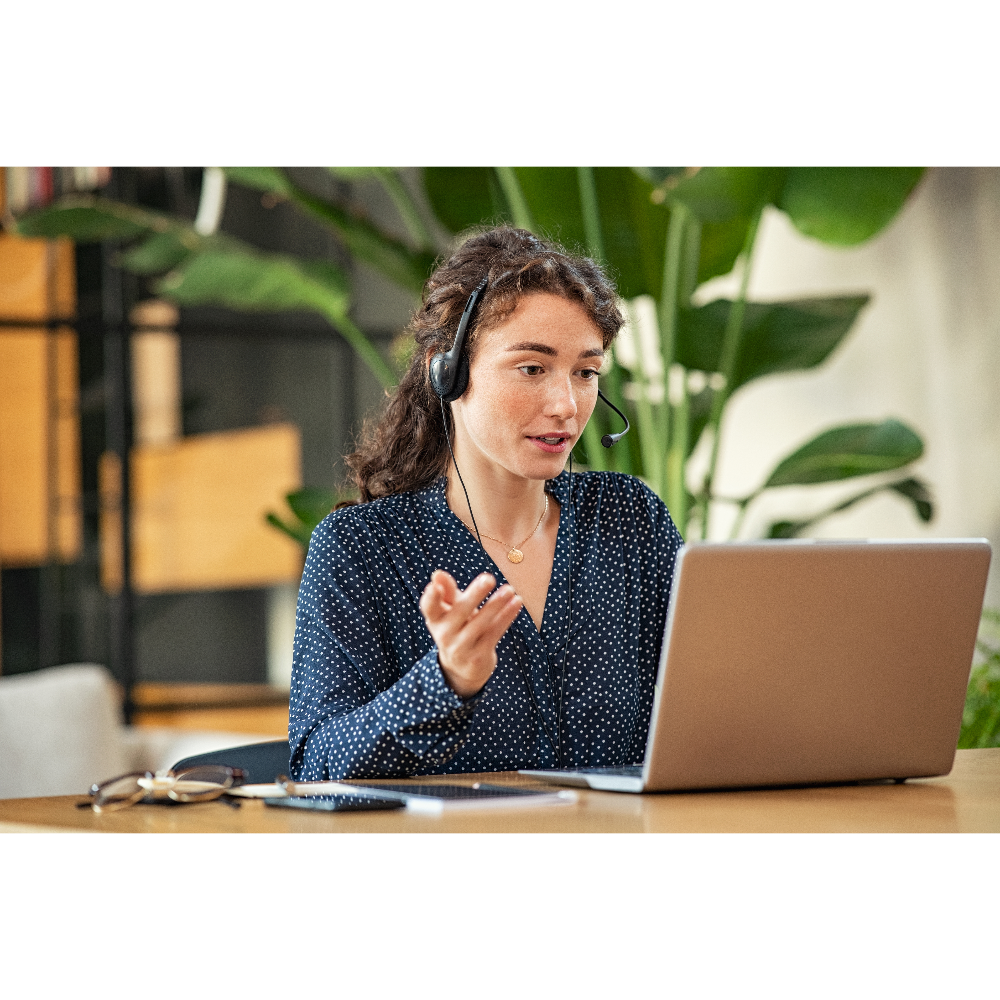
With in-person therapy, you travel to an office and sit in the same room as your therapist. With virtual therapy (also called online or video therapy), you meet live over a video call from a private spot you choose. It isn’t texting through an app or watching recorded lessons. Instead, it’s a real-time conversation with a real person through a screen.
So the therapy itself doesn’t change much. What changes is the setting, and that matters more than most people expect.
Is virtual therapy as effective as in person?
What the research says
This is usually the first question people ask, and it’s a fair one. The short version? For many common concerns, the research looks encouraging.
A 2021 meta-analysis by Fernandez and colleagues in Clinical Psychology & Psychotherapy pooled dozens of studies on therapy by video. It found almost no difference in outcomes between video and in-person sessions. Also, results were strongest for CBT and for anxiety, depression and PTSD. Similarly, a 2022 review of randomized trials in Telemedicine and e-Health found that video therapy for depression was roughly comparable to in-person therapy.
So if you’re looking at online therapy for depression or anxiety therapy online, the evidence doesn’t suggest you’re settling for a weaker version.
Where the evidence is thinner
However, the research has limits. A 2021 review in Clinical Psychology Review supported video therapy as a workable alternative. At the same time, its authors noted that researchers still haven’t run many randomized controlled trials. Studies on some approaches, such as EMDR by video, are still small.
Studies also report averages. They can’t tell you how you’ll feel talking about painful things from your own bedroom. That’s why personal fit matters as much as the research.
Online therapy vs in-person therapy: a side-by-side comparison
Here’s how the two formats compare on the things people care about most.
Factor
Online therapy
In-person therapy
Convenience
Join from any private spot in Ontario
Plan your day around getting to the office
Travel
None
Drive or take transit to the Guelph office
Privacy at home
You need a quiet room where no one can overhear you
Not an issue, because the therapy room is private
Connection
Many people connect well on video; some find it harder to open up
Easier to read body language and feel present
Types of therapy
CBT, IFS, EMDR and more, adapted for video
Full range, including body-based work that can feel easier in the room
Cost
Fees vary by practice; you save on travel and parking
Session fee plus travel or parking costs
Scheduling
Often easier to fit into lunch breaks or evenings
Tied to office hours and your commute
Best for
Busy schedules, new parents, mobility barriers, people outside Guelph
No private space at home, a preference for face-to-face connection
Benefits of virtual therapy (and the honest downsides)
Why online works well for many people
The biggest benefit of virtual therapy is simple: it removes barriers. For example, online sessions can help if you:
have a packed schedule and can’t spare an extra hour for driving and parking
are a new parent and can’t easily leave the baby or arrange childcare
live with a disability, chronic pain or limited transport
find walking into a waiting room hard because of social anxiety
live outside Guelph but want to work with a specific therapist in Ontario
Some people also open up more easily in a familiar spot. Your own blanket and your own tea can make a hard conversation feel a little softer.
When online is harder
Online therapy isn’t a perfect fit for everyone, though. Common downsides include:
Privacy. If thin walls, kids or roommates mean someone could overhear you, it’s hard to speak freely.
Tech hiccups. A frozen screen in the middle of an emotional moment is frustrating.
Less separation. Therapy happens in the same room where you work, sleep or scroll, so you lose the drive home to process.
Screen fatigue. After a day of video meetings, one more call can feel draining.
Is in-person therapy better than virtual? When face-to-face makes more sense
Why some people prefer the therapy room
In-person therapy isn’t better in every case. Still, it’s the better fit in some situations. It may suit you best if:
you don’t have a private, safe space at home
you live with someone who is controlling or abusive, because they could listen in or check your devices
you strongly prefer face-to-face connection and find screens distracting
you want some types of body-based work, where your therapist can notice small shifts in posture and breathing
There’s also something to the ritual. You leave home, sit in a calm room and give yourself time that belongs only to you. If you’re curious what that feels like, you can take a look at Tranquillium’s in-person therapy space in Guelph before your first visit.
The trade-offs
The downsides are mostly practical. You need travel time, parking or a bus route and a schedule that lines up with office hours. Also, when you’re unwell, snowed in or caring for a sick child, an in-person session is easier to miss. In a Guelph winter, that happens.
Do CBT, EMDR and other therapies work online?
People ask this a lot. The honest answer depends on the approach.
Virtual CBT therapy
CBT (cognitive behavioural therapy) helps you notice the thoughts and habits that keep you stuck, then practise new ones. Because CBT relies on conversation, worksheets and practice between sessions, it moves to video easily. It’s also the approach with the strongest research support online, as the Fernandez meta-analysis found.
Virtual EMDR therapy
EMDR (eye movement desensitization and reprocessing) helps your brain reprocess painful memories so they feel less overwhelming. In the room, a therapist often guides your eye movements with their hand. Online, therapists adapt this with on-screen movement, sounds or self-tapping. Early studies on virtual EMDR therapy look promising. However, researchers still describe the evidence as limited, so talk it through with your therapist, especially if you’re working on complex trauma.
IFS, Brainspotting and somatic therapy online
IFS (Internal Family Systems) helps you understand the different “parts” of you, like the inner critic or the part that wants to hide. Because it’s mostly conversation, many people find it works well by video. Brainspotting uses where you look to reach difficult feelings, while somatic therapy pays attention to sensations in your body. Some of this work translates to video. Other parts may feel more natural in the room, so ask your therapist how they adapt it.
In person or virtual therapy? 5 questions to help you decide
Still unsure? Ask yourself these five questions and answer honestly rather than the way you think you should.
Do I have a private space? If no one can hear you for an hour, online is an option. If not, lean toward in person.
Do I feel safe at home? If someone monitors you or makes you feel afraid, the office is the safer choice.
What does my week really look like? If travel would make you cancel often, online may help you stay consistent.
Where do I open up more easily? Some people relax at home, while others need a separate space.
What kind of therapy do I want? Most talk-based approaches work well online, but some body-based work may feel better in person.
If most of your answers point one way, start there. If they’re split, that’s fine too, because you can try one format and switch later.
How to prepare for your first online therapy session
Create a private space at home
A private space doesn’t need to be a home office. It just needs to be somewhere you can talk without anyone overhearing. Ideas that work:
a bedroom with the door closed and a fan or white noise outside the door
your parked car, which is often more private than people expect
a time when the house is empty, like when the kids are at school
a simple heads-up to housemates: “I’m on a call until 2, so please don’t knock.”
Headphones help a lot, too. They keep your therapist’s voice private, even if someone walks past.
A quick tech checklist
Before your session:
Charge your device or keep the charger nearby.
Test your camera, microphone and internet a few minutes early.
Close other apps and silence notifications.
Agree on a backup plan with your therapist, such as a phone call, in case the video drops.
Keep water and tissues within reach.
What actually happens in a first online session
Your first session usually feels more like a conversation than a test. Your therapist will likely confirm where you’re located, go over consent and confidentiality and ask what’s bringing you in. They may also ask about your history, your goals and what you’ve tried before. You don’t have to share everything at once.
Feeling awkward on camera at first is normal. Most people settle in after a few minutes.
Can you switch between online and in-person therapy?
Yes, and plenty of people do. For example, you might start online because it’s easier to fit in, then come in person when you’re ready for deeper work. Or you might see your therapist in the office most weeks and switch to video during a busy month, a snowstorm or after having a baby.
The format isn’t a lifetime commitment. What matters most is finding a therapist you trust and showing up consistently. If you’re new to all of this, read about starting therapy at Tranquillium so you know what your first few weeks look like.
How much does online therapy cost in Ontario?
Online therapy cost varies from practice to practice, so check rates directly. At Tranquillium, the first step is a free consultation. It’s a short chat to see whether the fit feels right.
If budget is a concern, look at the Affordable Therapy Program in Guelph. It offers $75 sessions with supervised student therapists, and these sessions are available online too.
What about insurance? Coverage depends on your plan, so check with your provider before you book. Ask whether they cover virtual sessions and which therapist credentials they accept.
Online and in-person therapy in Guelph and across Ontario
At Tranquillium Holistic Therapy & Wellness, you can choose either format. In-person sessions take place at our office at 175 Chancellors Way in Guelph. If you’d rather meet by video, we offer virtual therapy across Ontario for clients located in the province.
Our therapists support adults with anxiety, depression, ADHD, trauma, grief, relationships and perinatal mental health. Approaches include CBT, IFS, EMDR, Brainspotting and somatic therapy, and EMDR is available both in person and online. Online sessions follow the same professional confidentiality standards as sessions in the office. Scheduling is flexible, so you can change formats as your life changes.
Finding the right fit for you
Here’s the short version. Online and in-person therapy can both help, and research suggests video therapy works well for many common concerns. Online sessions offer flexibility and easier access. In-person sessions offer a private room away from home and face-to-face presence. Your best choice depends on your home, your schedule, your comfort and the kind of work you want to do.
You don’t have to get it perfect. Start with the format that feels doable and adjust as you go.
Not sure which one fits? Book a free consultation and talk it through with a Tranquillium therapist. Real people, real conversations and no pressure either way.
Frequently asked questions
Is online therapy as effective as in-person therapy?
For many common concerns, research suggests it can be. Meta-analyses published in 2021 and 2022 found little difference in outcomes between video and in-person therapy, especially for anxiety, depression and PTSD. Still, the best format depends on your situation and comfort.
Is online therapy confidential?
Yes. Confidential online therapy follows the same professional confidentiality standards as in-person sessions. Your part is choosing a private spot where no one can overhear you. Your therapist will also explain the limits of confidentiality in your first session.
Can I do online therapy if I don’t live in Guelph?
Yes, as long as you’re located in Ontario during your sessions. Tranquillium offers virtual sessions to clients anywhere in the province.
What if I don’t have a private space at home?
Try a parked car, a closed bedroom with white noise or a time when the house is empty. If none of these feel private or safe, in-person sessions at the Guelph office may suit you better.
Does insurance cover online therapy in Ontario?
It depends on your plan. Check with your insurance provider before booking and ask whether they cover virtual sessions and which therapist credentials they accept.
Can EMDR be done online?
Yes. Therapists adapt EMDR for video with on-screen movement, sounds or self-tapping. Early research looks promising, but it’s still limited, so talk with your therapist about whether online EMDR suits your situation.
